











Washington’s brewing income tax debate has taken a sharp turn toward the world of professional sports — potentially affecting visiting athletes who play games in the state’s largest stadiums.
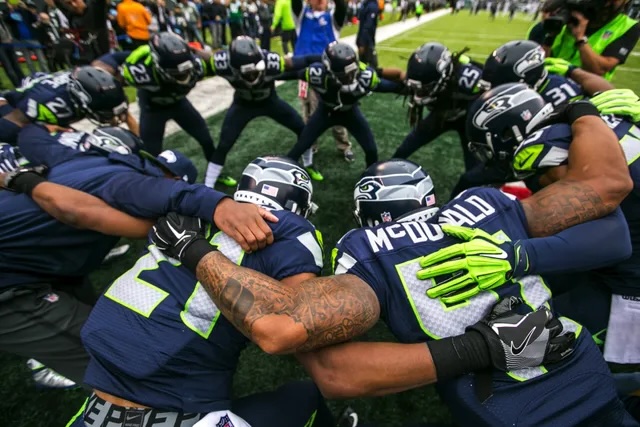
A proposed state income tax on high earners, championed by lawmakers and supported by Gov. Bob Ferguson, would not only raise taxes on wealthy Washington residents but also introduce what critics are calling a de facto “jock tax” on visiting professional athletes who earn money while playing in the state.
What exactly is a jock tax?
The “jock tax” isn’t a separate new levy created just for athletes — it’s the informal name for the application of state income tax laws to non-resident professionals who earn income within a jurisdiction where they do not live.
Under long-standing tax principles, states with an income tax have the authority to tax earnings that originate within their borders, even if the worker lives elsewhere. Professional athletes are often subject to this because their schedules are public and they travel frequently to other states to perform services (i.e., play games).
Historically, jock taxes gained notoriety in the early 1990s, when California and other states began taxing income earned by visiting NBA players — a move famously tied to the Chicago Bulls and Los Angeles Lakers rivalry.

How would the rule work in Washington?
Currently, Washington state has no personal income tax, which is one reason the Seahawks — and other pro teams based in Washington — have benefited from appealing tax conditions compared to teams in high-tax states like California or New York.
But under the latest legislative proposal, Washington would adopt a new income tax on residents earning more than $1 million annually — a so-called “millionaires’ tax” that’s expected to raise billions for education and tax relief programs.
Once Washington enacts a personal income tax, visiting athletes from teams like the Los Angeles Rams and other out-of-state opponents could find themselves owing income tax on the portion of their salaries earned while playing in Seattle. That’s because the same non-resident income tax rules that apply elsewhere would suddenly apply here too: income earned in Washington would be subject to Washington tax, regardless of where the athlete lives.
What would Seahawks and visiting players owe?
While precise figures will depend on the final tax structure, general principles suggest that:
- A visiting Rams player — or any other out-of-state pro athlete — would owe income tax to Washington on the portion of their pay allocated to games and team duties in the state, proportionate to the number of days spent working there. This could include game days, meetings, even practice days depending on how the law is written.
- Seahawks players who live in Washington would owe tax on their full income under the new state tax if they meet the threshold, but would likely get credit for tax paid to other states where they earn money. That’s how most multi-state tax rules operate today.
Under typical jock tax formulas used around the country, state tax liability is based on “duty days,” meaning teams and tax accountants track how many days a player worked in a state versus their total working year to allocate income and compute tax owed.
What’s next — and why it matters
Lawmakers in Olympia are still negotiating the final form of the income tax proposal. Opponents warn that adding a personal income tax — and indirectly a jock tax — could complicate tax compliance and have unintended consequences for Washington’s sports and entertainment industries. Supporters argue that the new revenue is crucial to shoring up education funding and tax fairness.
For players, teams, and fans, the potential tax shift is a reminder that changes to state tax law can ripple far beyond typical wage earners — even affecting how professional athletes are compensated after a long road trip or a Sunday night game in Seattle. [24×7]