












To quote Starship captain James T. Kirk, personified by the iconic Bill Shatner who spoke last night at McCaw Hall with fellow cosmos watcher, astrophysicist Neil deGrasse Tyson, Seattle is stepping into the future ”on a bold new mission” as a launchpad for the future of space exploration, development, and commercialization.
What has been a city best known for aircraft manufacturing and cloud computing, along with hand-made coffee concoctions and Chinook salmon, has rapidly evolved into one of the most dynamic and diverse hubs for the global space economy. With deep roots in aerospace and an ecosystem teeming with high-tech innovation, Seattle is shaping not just the next generation of flight—but the future of space itself.
The Hub of Space Innovation
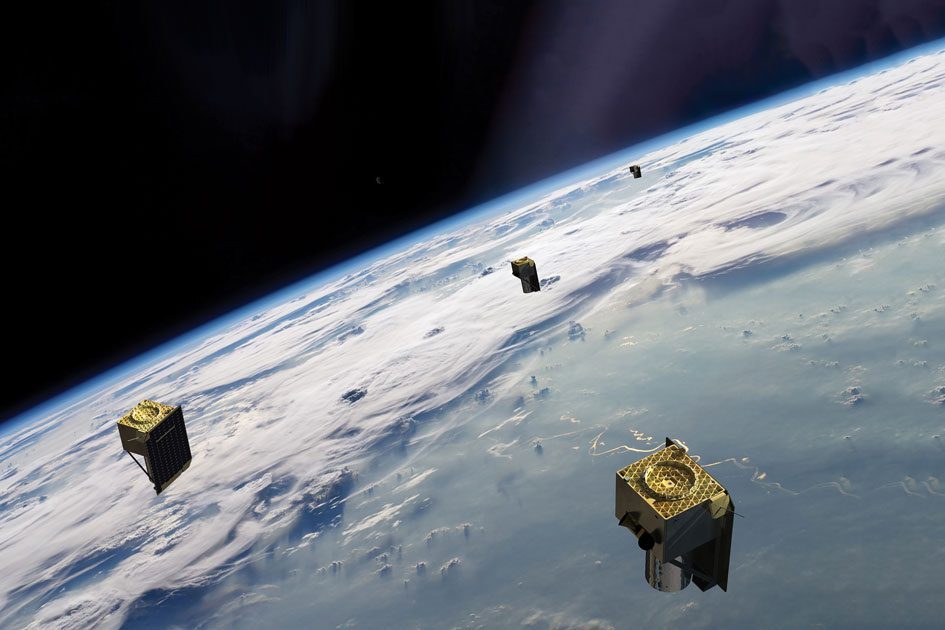
Seattle’s rise as a space innovation powerhouse is no accident. The region is home to more than 90 space companies, including major players like Blue Origin, SpaceX, and Amazon’s Project Kuiper, alongside a constellation of specialized startups and suppliers. This dense network has made Seattle particularly dominant in satellite manufacturing, producing over half of the world’s operational satellites and projected to manufacture 78% of all FCC-approved satellites in the near future. From Earth observation to deep space missions, the technologies being developed in the Puget Sound region are revolutionizing humanity’s relationship with space.
Driving the New Space Economy
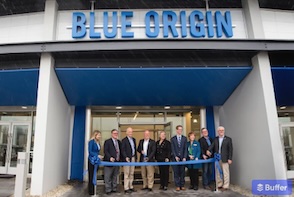
Key companies are leading the charge. Blue Origin, founded by Amazon’s Jeff Bezos, is developing the New Glenn reusable rocket and supporting NASA’s Artemis missions with lunar lander technology. SpaceX, while headquartered in California, maintains a critical manufacturing presence in Redmond for its Starlink satellite constellation, aiming to provide global broadband coverage. Aerojet Rocketdyne is pushing the boundaries of propulsion technology, and BlackSky, based in the region, delivers real-time satellite imagery to commercial and government clients alike.
Meanwhile, Amazon’s Project Kuiper is building a state-of-the-art satellite production facility in nearby Kirkland. With ambitions to rival Starlink, Kuiper is another example of Seattle-area companies turning science fiction into reality—on a commercial scale.
There are setbacks. Elon Musk’s SpaceX company witnessed the massive explosion this week of its largest Starrtship rocket at Starbase, near the Texas border with Mexico. A prototype Starship exploded over the Indian Ocean in late May.
Research, Development, and Education
The innovation engine driving Seattle’s space ambitions is also fueled by world-class research. The University of Washington’s Aeronautics & Astronautics department is a leader in space technology, with projects focused on CubeSat development, autonomous spaceflight navigation, and advanced propulsion. The university’s interdisciplinary research spans AI, materials science, and environmental sustainability—fostering a future where space exploration is both cutting-edge and conscientious.
Economic Impact and Workforce
The impact of this industry is not just interplanetary—it’s deeply local. The space sector generates a substantial portion of Washington’s $70+ billion aerospace economy, with over 136,000 direct jobs tied to aerospace and space-related fields. Seattle’s robust talent pipeline, strengthened by institutions like UW and a growing number of STEM-focused programs, ensures that the region will continue to supply the engineers, technicians, and visionaries that space demands.
Sustainable Skies and Future Frontiers
Looking ahead, sustainability is taking center stage. The Seattle region is investing in clean aerospace technologies, with efforts like the Research and Development Center for Sustainable Aviation Fuels leading the way. Events such as the International Space Station Research and Development (ISSR&D) Conference, regularly hosted in the city, further highlight Seattle’s commitment to a future where space exploration benefits all of Earth’s inhabitants.
Seattle’s future in space is not just a story of rockets and satellites—it’s about people, partnerships, and a persistent vision for a better future. With its unparalleled mix of high-tech expertise, aerospace tradition, and academic excellence, Seattle is not only reaching for the stars—it’s building the infrastructure to get there and stay. [24×7]